
Furniture Refinishing & Restoration
Antique Furniture Restoration in Sarasota, FL
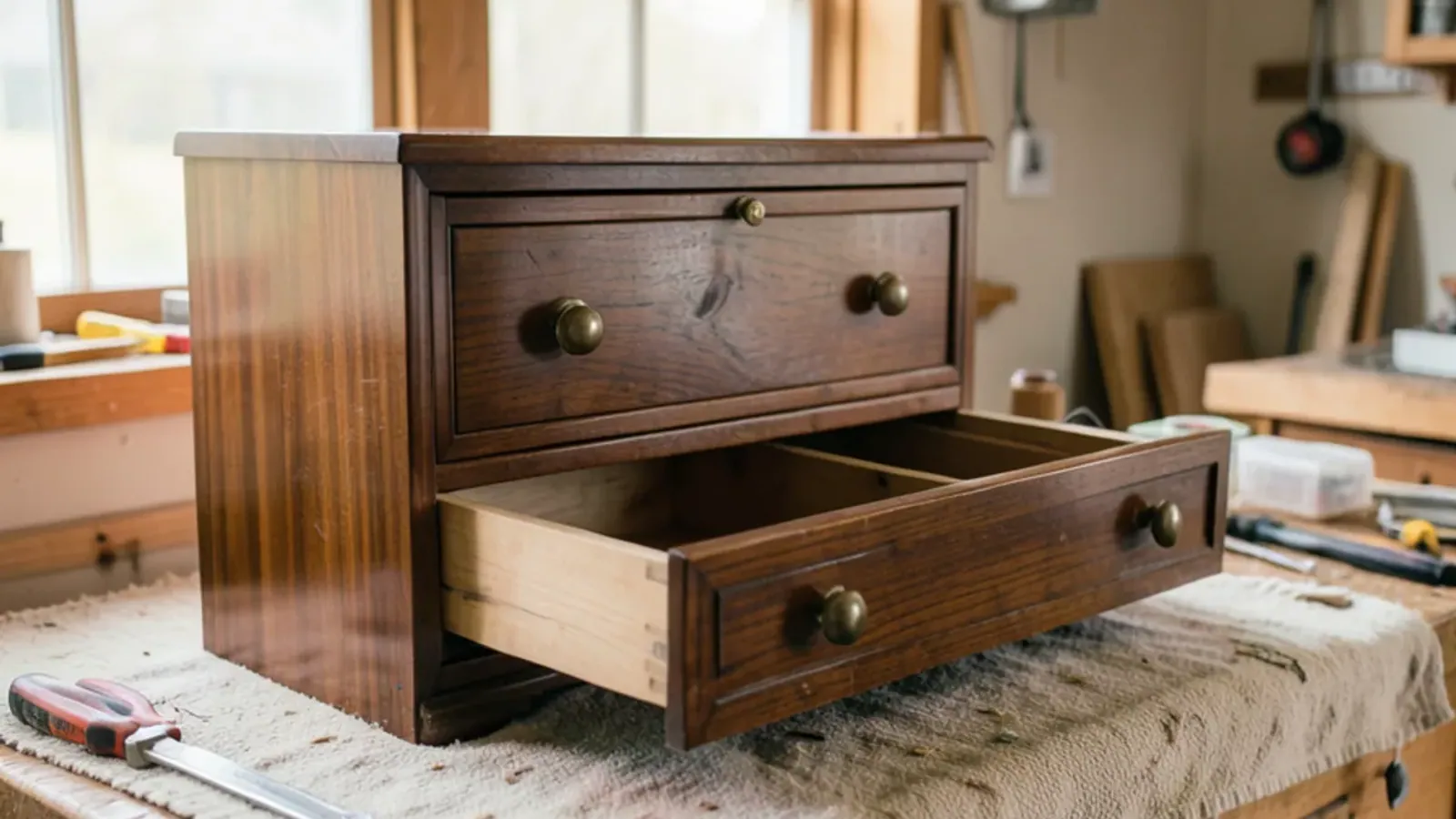
Heirloom chests, tables and dressers made sound again, keeping as much original wood, finish and patina as each piece allows.
- Built in our Sarasota shop since 2011
- 4.4★ from 52 Google reviews
- 3D model before anything is built
- Solid-wood boxes, dovetail drawers
Antique furniture restoration in Sarasota should leave an old piece sturdy and usable while keeping the wood, finish and honest wear that make it old. In our Lewis Ave shop we treat heirloom chests, tables and dressers conservatively: clean first, repair what is failing in our humid climate, and strip only when nothing else will work.
This is the careful end of our furniture refinishing and restoration work. If a piece might be valuable, have an independent appraiser see it before anything is done. Refinishing can lower what a collector would pay, and that choice belongs to you, made with good information. For sturdy everyday pieces where value is not the question, furniture repair is usually the simpler path.
Signs an heirloom needs a restorer's attention
These are the problems families most often bring us:
- Veneer bubbling in the middle of a top or lifting at the edges and corners
- Chips of veneer missing from drawer fronts and banding
- Drawers that stick, rack sideways or drop because the runners have worn
- A solid top split along the grain where it was screwed down too tightly
- Feet or casters working loose, or a leg that has cracked at a joint
- A finish gone dark, cloudy or crackled until the grain is hard to see
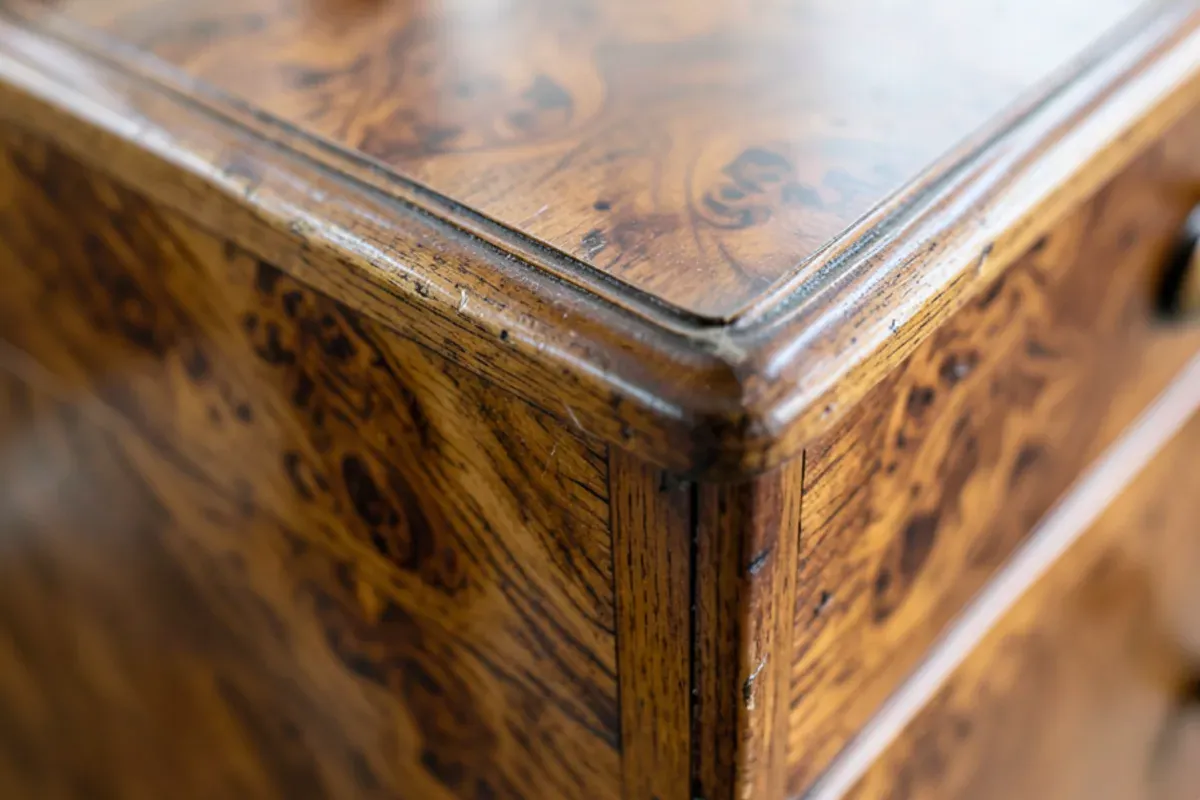
Most of these are structural and can be fixed while the old surface stays put.
What Florida humidity does to old glue and veneer
Much of the antique furniture in Sarasota homes was built somewhere else, often in cooler and drier northern states, then trucked south with a family move. Older pieces were usually assembled with animal hide glue, which softens with heat and moisture. Here, a chest spends humid summers beside open windows or in a closed-up seasonal house, then dry months in strong air conditioning. Each swing makes solid wood move against veneer and glue that cannot follow it.
Veneer lets go, drawer bottoms split, tops crack, and joints that held for a century start to wiggle. Unconditioned storage units speed it all up.
Should an antique be appraised before restoration?
For anything that might carry real value, yes. To many collectors, the original finish and the wear it shows are part of what makes a period piece worth owning, and a stripped and refinished surface cannot be put back. An appraiser can tell you what the piece is and what kind of work would or would not affect it. We are woodworkers, not appraisers, and we will not guess at a dollar value.
With that answer in hand, we can talk through how far to go. Antique restoration ranges from a light conservation cleaning to a full antique refinishing, and the right point on that range depends on whether the piece is mainly an investment, a family keepsake, or furniture you plan to use every day.
Ivory, rosewood and other rules that follow an antique
Restoring a freestanding antique is not building work, so no permit or Chapter 489 contractor license applies; licensed trades handle any mantel or bar tied into walls, wiring or plumbing. Federal wildlife rules matter more. Brazilian rosewood has been on CITES Appendix I since 1992, and the U.S. Fish and Wildlife Service restricts commercial sale of items with elephant ivory, such as old inlay or escutcheons. We never patch with ivory or other protected materials, so lost ivory inlay is replaced in bone or another legal material. Keep papers showing a piece's age for an appraiser working to USPAP.
Antique restoration at three levels, gentlest first
Conserve the surface
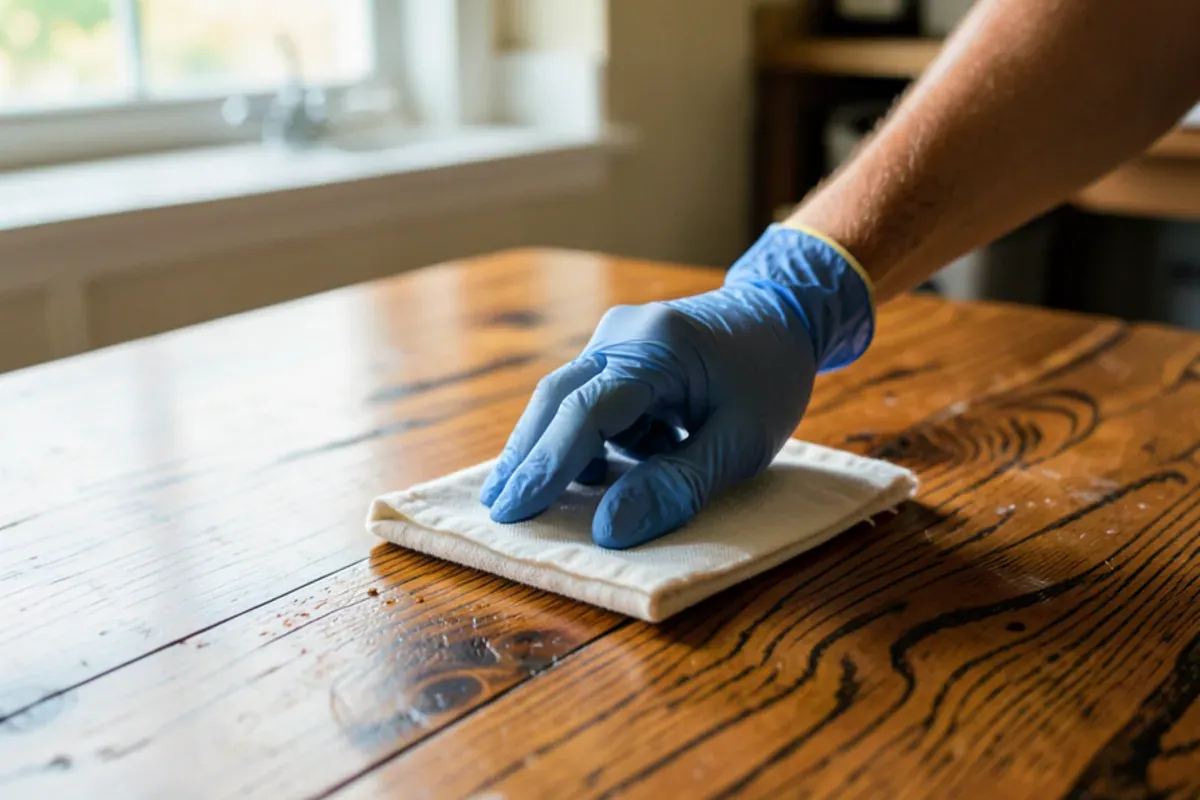
We remove old wax, grime and polish buildup, consolidate loose finish and fix structural problems underneath. The piece looks cleaner but still clearly old. This keeps the most value and suits pieces headed for appraisal or sale.
Revive the original finish
Many early finishes are shellac or lacquer, which can be softened and blended back together rather than stripped. Crackled or cloudy areas often even out, scratches fade, and a few thin new coats sit on top. It costs less than stripping and keeps the patina.
Restore and refinish
When a finish has failed completely, been painted over or was already stripped by an earlier owner, we take it back and refinish with materials appropriate to the period. The piece looks fresh, but the original surface is gone, which is the trade-off to weigh.
Every level starts the same way, with condition photos and structural repairs; the level only decides how much original surface we touch.
How do we re-lay lifting or missing veneer?
Veneer repair starts with cleaning the old, crystallized glue out from under the loose area, because fresh glue cannot grab dust and failed adhesive. We then work in new hide glue, press the veneer down with padded cauls and clamps or a veneer hammer, and leave it until the glue has fully set.
Where veneer is missing, we cut a patch from veneer stock chosen for species, figure and grain direction, shape it to an irregular outline that hides the seam, and color it to the surrounding wood. A good patch is hard to spot from a normal viewing distance.
Antique furniture restoration in Sarasota, from intake to pickup
History and photographs
Tell us what you know about the piece, and send pictures of the front, back, underside and any labels or marks.
The appraisal question
If value is uncertain, we pause here so you can have it appraised before any work.
Intake at Lewis Ave
Deliver it by appointment, or ask us to collect a heavy case piece. Its condition is recorded in photos on arrival.
Stabilize the structure
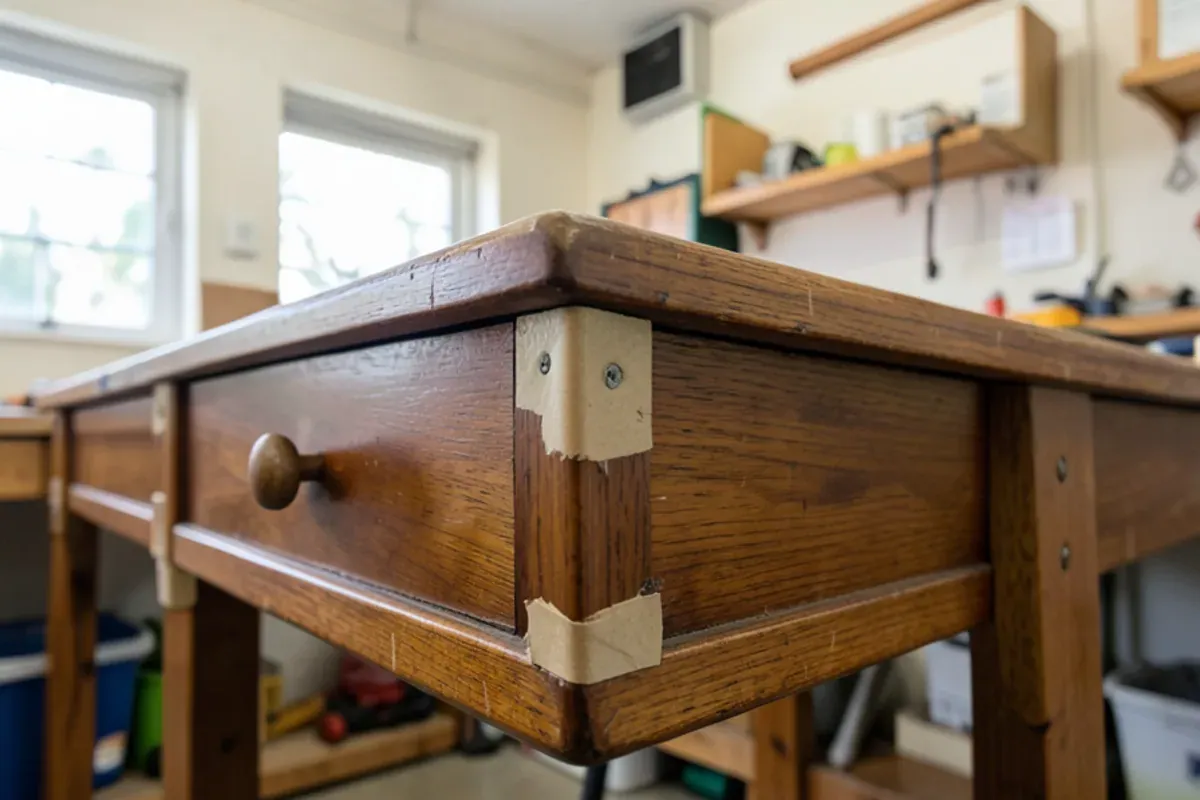
Joints, runners, cracks and loose parts come first, using methods that a later restorer could reverse.
Surface and finish
Veneer, patches and finish work follow the level we agreed on, and nothing beyond it without asking you.
Review and return
You see the piece before it leaves, along with notes on what was done and how to care for it.
Remaking missing parts so they read as original
A lost bun foot, a broken molding or a replacement drawer bottom is made in our shop from the same species as the original, whether that is mahogany, walnut, oak or cherry. Each part gets a working drawing taken from the surviving parts, so profiles, turnings and proportions match. We then color the new wood to sit beside the old.
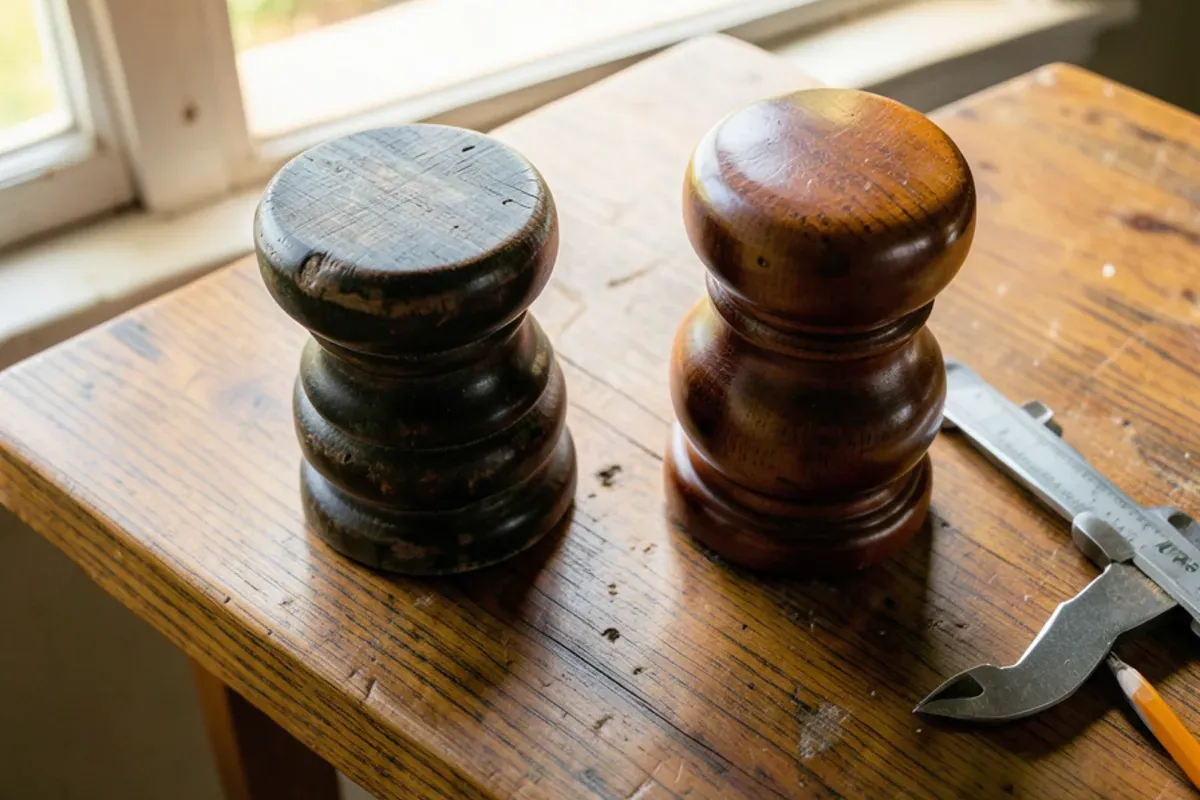
We can mark new parts discreetly on a hidden surface, so a future appraiser or family member knows what is original. Period restoration is more honest that way, and it keeps the history of the piece readable.
What drives the cost of restoring an antique?
We quote an heirloom only after examining it in person. The main factors are:
- How much veneer is loose or missing, and how unusual its figure is
- The number of joints that must be taken apart and re-glued
- Parts to be remade, especially turned or carved ones
- Whether the original finish can be revived or has to be removed
- Inlay, banding and carving that slow every step
- Pickup and delivery for heavy case pieces
Local history adds its own variables. A chest trucked down from a northern house can arrive with several joints loose at once after a few Florida summers. Pieces kept in unconditioned units, or left damp after Ian, Helene or Milton, may need veneer re-laid across a whole top rather than at one corner. Hide glue and shellac also set more slowly in August humidity.
Restoration moves at the pace of glue and finish, and we give you a timeframe before we begin.
Living with a restored antique in a Florida home
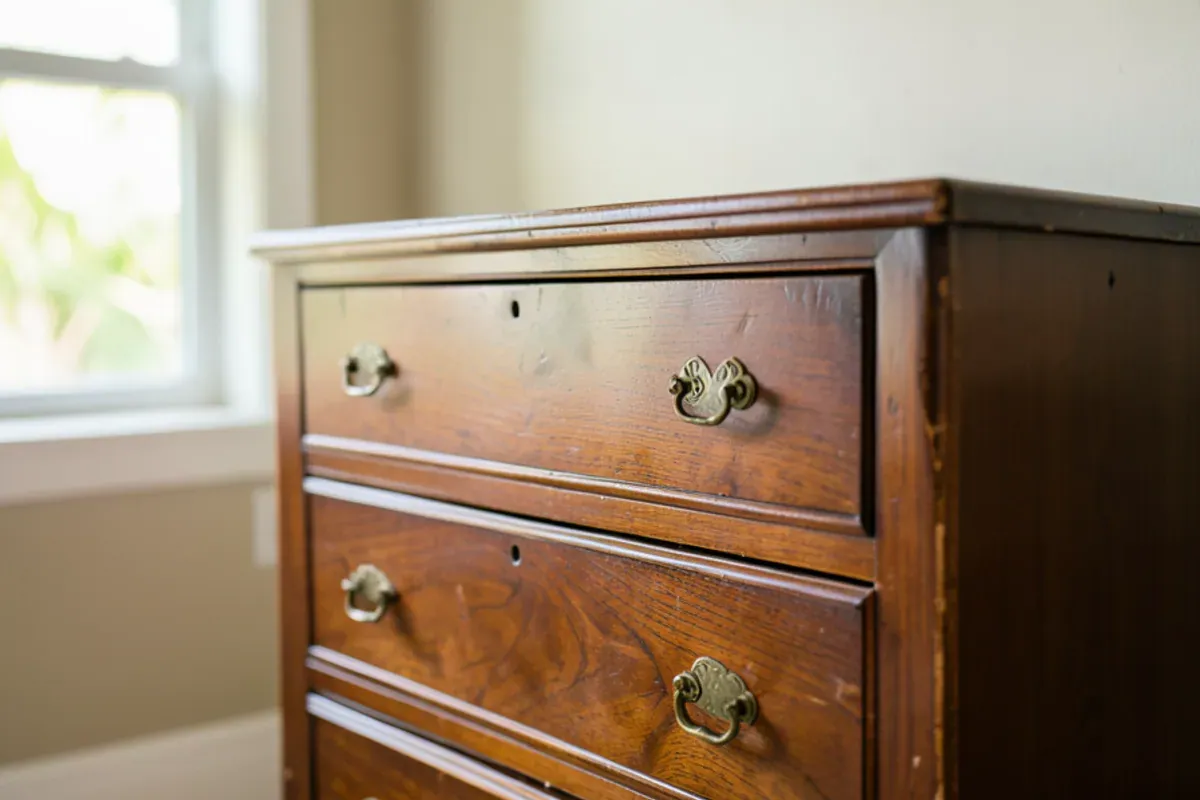
Steady conditions do more for an old piece than any polish. Place it away from air-conditioning vents, exterior doors and sunny windows, and keep the air running at an even setting if you leave for the summer. Lift chests and tables rather than dragging them, and empty drawers before moving a case piece.
Teak and other outdoor pieces need a very different routine; see teak furniture refinishing for those.
Why SRQ Woodworks
Why homeowners choose us for antique furniture restoration
Joinery we know from the inside
Our shop builds with mortise-and-tenon joints and hand-fit dovetail drawers, the same construction found in well-made antiques. That is how we know which old joints to open and which to leave alone.
Drawings before anything is cut
Replacement parts are drawn first, as every project in our shop is, so they match the originals in profile and proportion.
Honest about value
We will tell you when a piece should see an appraiser first, and we never present a guess as an appraisal.
A real workshop in Sarasota
Your heirloom stays at our shop at 1121 Lewis Ave, where Graham Custer has worked since 2011. Visits are by appointment.
Reviews
Customers on our furniture refinishing & restoration work
4.4★ average from 52 reviews on Google. Quotes are from public Google reviews, shortened where marked.
“Graham and Ryan of SRQ Woodworks did high quality work and were consulate professionals throughout the whole process. They went above and beyond to restore this century old butler's pantry.”
“Within less than a week he had restored a sad looking heirloom table to a finish far above and beyond our highest expectations. This burled walnut side table was permanently water marked in two places. … Now it is prettier than ever and finding the water marks is impossible.”
“ALL cabinets were installed beautifully-Graham takes the time to do the job properly, completely installed everything and properly prepared the cabinets for countertops. He does fine finish work to ensure that all of the trim looks terrific and finishes the job by adjusting all of the doors.”
Request a quote
Start your antique furniture restoration project
Call first if you can: a quick conversation about the room, the timing and what you have in mind is the fastest way to a measure and drawings. Or send the form and the shop will call you back.
Where we work
Families bring heirlooms to Lewis Ave from older neighborhoods across the region: Sarasota bungalows and condos, Bradenton homes near the Manatee River, Venice, and historic houses in Arcadia, about an hour and ten minutes inland.
- Antique Furniture Restoration in Arcadia, FLEarly-1900s homes in the National Register historic district call for conservation-first work.
- Antique Furniture Restoration in Venice, FLPeriod pieces in John Nolen's 1920s island district often suit a revived shellac finish.
- Antique Furniture Restoration in Bradenton, FLVillage of the Arts bungalows hold painted antiques whose original paint may be worth keeping.
- Antique Furniture Restoration in Osprey, FLBayfront homes near Historic Spanish Point expose heirlooms to damp Little Sarasota Bay air.
- Antique Furniture Restoration in Temple Terrace, FL1920s Mediterranean Revival homes on the Hillsborough River warrant appraisal-first care of period chests.
- Antique Furniture Restoration in Tarpon Springs, FLEarly-1900s historic-district houses near damp bayous are hard on hide glue and old veneer.
- Antique Furniture Restoration in Belleair, FLOlder estate homes around the Belleview Inn can hold collector-grade pieces worth appraising first.
- Antique Furniture Restoration in Gulfport, FLHelene's 2024 flooding by Boca Ciega Bay left bungalow heirlooms needing slow drying and re-gluing.
FAQ
Antique Furniture Restoration questions
Will refinishing lower my antique's value?
It can. Collectors often value an original finish and its wear, and stripping removes something that cannot be replaced. That is why we start with cleaning and finish revival, and suggest an independent appraiser before work on anything that might be significant. For family pieces kept mainly for use and memory, a careful refinish is often the right call.
Can missing parts or tops be remade to match?
Usually, yes. We make feet, moldings, drawer parts and even replacement tops in our shop from the same species, working from drawings based on the surviving parts. Color matching takes the most care, because old wood has darkened or faded over decades. We can also mark new parts on a hidden surface so they are documented.
How is lifting veneer repaired?
We clean the failed glue from beneath the loose veneer, work in fresh hide glue, and clamp it flat with padded cauls until it sets. Missing pieces get a patch cut from matched veneer and colored to blend. Hide glue is used because it bonds to old hide glue and a future restorer can reverse it.
Can you tell me what my antique is worth?
No. We are woodworkers, not appraisers, and we do not put values on furniture. We can point out construction clues, such as hand-cut dovetails or old repairs, that an appraiser will want to see. For anything that could be significant, an independent appraisal before restoration is the sensible order of things.
Do you keep the original hardware?
Whenever it survives, yes. Original pulls, escutcheons and hinges are cleaned gently and refitted, since they are part of the piece's history. When a pull is missing, we look for a matching reproduction or have one made, and we keep any replaced originals in a bag so they stay with the piece.
Do you work on painted antiques?
Yes, carefully. Old paint, including milk paint, may be original and can matter a great deal to value. We clean and stabilize original paint rather than strip it, and we remove later paint only after testing shows something better underneath. If you are unsure which you have, start with photos and an appraiser's opinion.
Living Well Crafted
Planning antique furniture restoration? Talk it through with the shop.
- Built in our Sarasota shop since 2011
- 4.4★ from 52 Google reviews
- 3D model before anything is built
- Solid-wood boxes, dovetail drawers